

Kaiseki, one of the pinnacles of Japanese dining, traces its roots to the 1500s as the meal served during tea ceremonies. Over the centuries, it has evolved into a refined multi-course meal that balances flavor, seasonality and presentation. Each dish is designed to capture the essence of a particular moment in nature.
At Ryokan Kurashiki, I was served a nine-course kaiseki dinner that highlighted the best of Okayama Prefecture. The region is known for its Muscat and Pione grapes and as a gateway to the Seto Inland Sea, it has a wealth of seafood. The dinner reflected this harmony of land and sea, with local and seasonal ingredients carefully arranged on traditional ceramics. To accompany the courses, I selected a local sake that complemented the subtle and layered flavors throughout the meal.
Aperitif
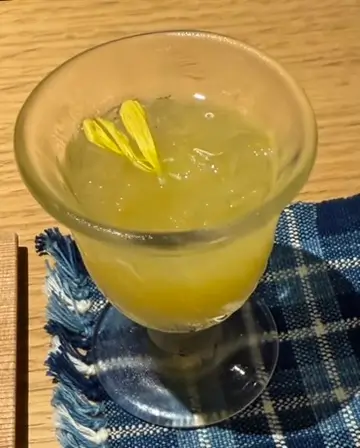
The dinner opened with a glass of Chinese citron liquor, a refreshing and gently aromatic introduction to the evening. It readied the palate for the courses to come.
Seasonal Appetizers
An assortment of small dishes showcased the diversity of autumn ingredients and offered contrasting flavors and textures: sushi of seared pacific saury, turnip pickled in sweet vinegar, and simmered sweet potato in syrup with lemon. The appetizers also included simmered roe bearing sweetfish with Japanese pepper, kelp marinated cutlass fish, chrysanthemum and celery in plum sauce, and a variety of gently seasoned vegetables such as Indian spinach, red konjac and pine nuts dressed with sesame paste. Each element was arranged with precision, reflecting the season.
Soup
The clear soup contained pike conger coated in kuzu starch, bound with mitsuba trefoil and accentedwith a touch of plum paste. A hint of yuzu rind added fragrance, lending brightness to the delicate clear soup.
Sashimi
The sashimi course consisted of sea bream, fatty tuna, and striped jack, to be dipped in a trio of condiments: a soy-based sauce; chirizu (tart citrus sauce); and salt. The condiments highlighted the freshness of the fish and balanced the flavors.
Warm Dish
The warm dish consisted of flatfish and eggplant simmered in a sauce thickened with chrysanthemum petals and grated Japanese white radish. Accents included snow peas, ginger, bonito flakes, and yuzu rind, creating a flavorful and aromatic presentation.
Grilled Dish
The centerpiece of the grilled course was local beef sirloin, served with the chef’s original fig sauce. Accompaniments such as salted kelp, pickled tomato in sweet vinegar, and shredded white leeks provided contrast and refinement.
Vinegared Dish
A refreshing interlude followed: steamed swimming crab, taro stem, and seared Chinese yam in lemon jelly, all garnished with salmon roe, field caviar, and Japanese parsley. The light acidity cleansed the palate while maintaining complexity.
Cooked Rice
The rice course featured local Koshihikari rice cooked with chicken, lotus root, carrot, gingko nut, burdock, tofu and mushrooms. It was accompanied by miso soup with enoki mushrooms, tofu and mitsuba, providing warmth and balance.
Dessert
The kaiseki dinner concluded with matcha ice cream and Pione and Shine Muscat grapes, both specialties of Okayama. The finale celebrated the region’s produce and provided a fitting close to the evening.


Discover more from CITO Tastes
Subscribe to get the latest posts sent to your email.