
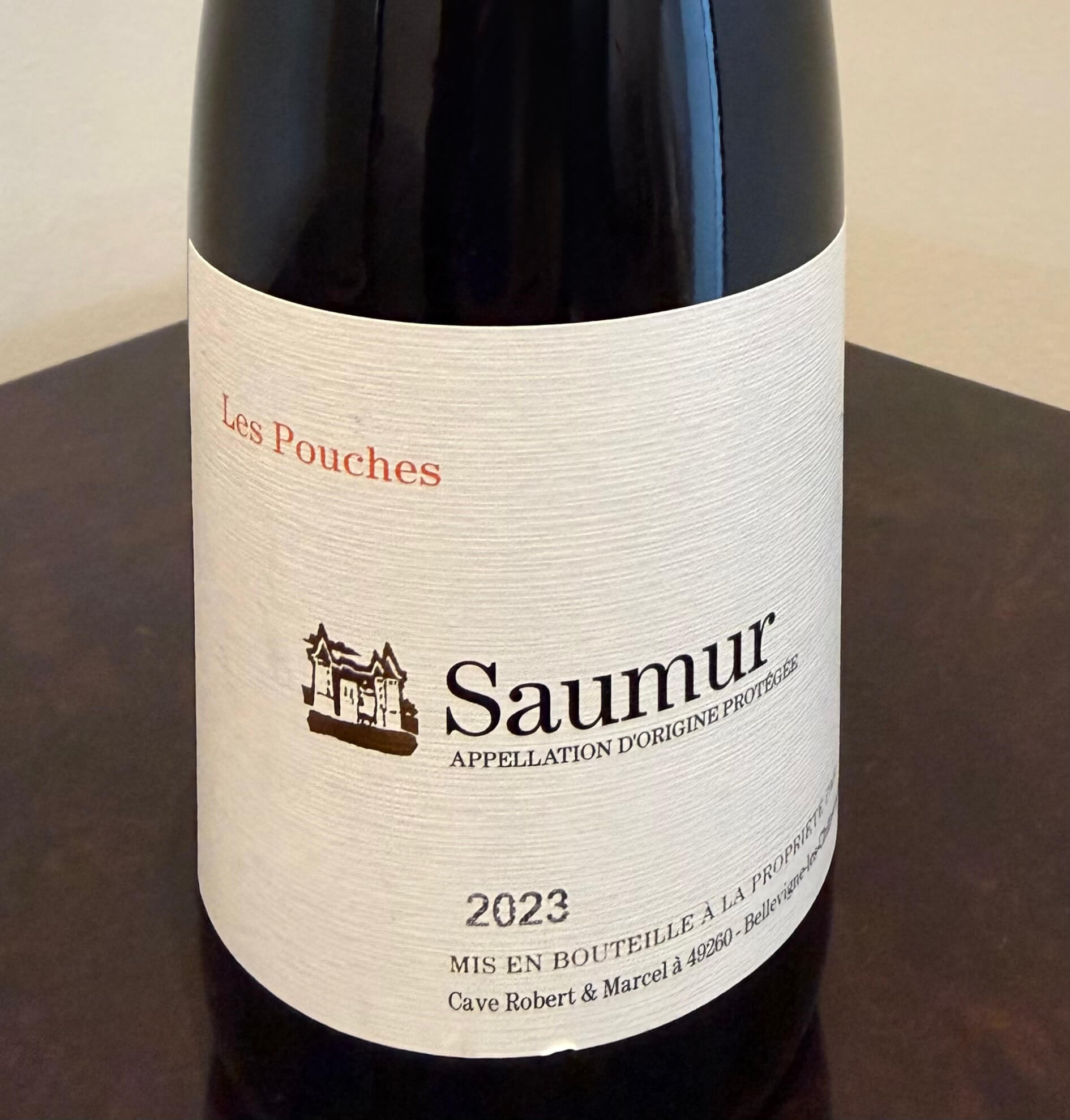
To explore the different expressions the Cabernet Franc grape, I blind-tasted Cab Francs from France, Uruguay and the Napa Valley. The results revealed distinct personalities depending on climate, soil and winemaking style.
Summary of Wines Tasted
Wine A: 2023 Les Pouches Saumur Rouge
Wine A Region: Loire Valley
Wine A Grape: 100% Cabernet Franc
Wine A Style: Dry
Wine A Alcohol: 13.0%
Wine A Producer: Cave Robert & Marcel
Wine B: 2012 Reverie Cabernet Franc
Wine B Region:Diamond Mountain District, Napa Valley
Wine B Grape: 100% Cabernet Franc
Wine B Style: Dry
Wine B Alcohol:13.5%
Wine B Producer: Reverie Winery
Wine C: 2023 Garzón Cabernet Franc Reserva
Wine C Region: Maldonado, Uruguay
Wine C Grape: 100% Cabernet Franc
Wine C Style: Dry
Wine C Alcohol: 13.5%
Wine C Producer: Bodega Garzón
Wine D: 2022 Barnett Vineyards Cabernet Franc
Wine D Region: Spring Mountain District, Napa Valley
Wine D Grape: 100% Cabernet Franc
Wine D Style: Dry
Wine D Alcohol: 14.7%
Wine D Producer: Barnett Vineyards
In the late 19th century, phylloxera struck European vines, destroying its vineyards. The solution was to graft European vines to phylloxera-resistant American rootstock. As a result, nearly all Cab Francs grown today are French vines grafted onto American roots, with a possible exception in Uruguay.
Uruguay escaped the worst of phylloxera but whether a specific vineyard grows vines on European or American rootstock depends on soil, planting era and winery practices. The wine merchant who sold me the Garzón said that it came from French rootstock, but I couldn’t verify this. The idea is intriguing but it’s safest to treat the Garzón rootstock origin as unknown rather than definitely French.
With this background, I conducted a blind taste test of four Cabernet Francs: one from France, one from Uruguay and two from Napa Valley.
BLIND TASTING – 4 CABERNET FRANC WINES
| Attribute/Wine | A | B | C | D |
| Color | Pale ruby | Pale ruby | Pale purple | Pale purple |
| Aroma Intensity | Medium(-) | Medium(+) | Medium(+) | Medium(+) |
| Development | Youthful | Developing | Developing | Developing |
| Sweetness | Dry | Dry | Dry | Dry |
| Acidity | High | Medium(+) | Medium(+) | High |
| Tannin | Low | Medium | Medium(+) | Medium |
| Alcohol | High | Medium | High | High |
| Body | Medium(-) | Medium | Medium | Medium |
| Flavor Intensity | Medium(-) | Medium(+) | Medium(+) | Medium(+) |
| Flavor characteristics (primary) | Black cherry, licorice, blueberry, fig, eucalyptus | Black cherry, licorice, blackberry, wet stones, raisin, plum jam, mint | Blackberry, licorice, black cherry, lavender, eucalyptus | Blueberry, black cherry, eucalyptus, licorice, kirsch, fig, prune, jamminess, mint, capsicum, wet stones |
| Flavor characteristics (secondary) | Cedar, charred wood | Cedar | Cedar | Cedar, resinous, chocolate |
| Flavor characteristics (tertiary) | Earth, mushroom | Wet leaves, leather, tobacco | Tobacco, wet leaves, leather, tobacco | Tobacco, leather, earth |
| Evaluate balance, length, intensity, complexity | Balanced, complex | Balanced, complex | Balanced, long finish, complex | Balanced, long finish, complex |
| Level of readiness for drinking/potential for aging | Can drink now, potential for aging | Can drink now, potential for aging | Can drink now, potential for aging | Can drink now, potential for aging |
| Quality level | Good | Good | Very good | Very good |
OVERALL IMPRESSIONS
Wine A (Saumur, Loire Valley) was the lightest and most youthful wine. Compared to the other three, it was pleasant but thin, though it could improve with more time in the bottle.
Wine B (Reverie, Napa Valley) was fruit forward with complex notes of leather and tobacco.
Wine C (Garzón, Uruguay) was the most herbaceous wine with lots of green aromatics and palate. Whether these herbal notes came from the terroir or rootstock differences is unknown, but they made this wine distinctive.
Wine D (Barnett, Napa Valley) was robust, bold and the most distinctive wine of the tasting. It had complex fruit and tertiary flavors with a long finish, a classic mountain wine.
RANKING (PERSONAL PREFERENCE)
- Barnett (Wine D)
- Reverie (Wine B)
- Garzón (Wine C)
- Saumur (Wine A)
CLOSING THOUGHTS
This blind tasting was a small window into how varied Cabernet Franc can be. If you haven’t tried tasting the same grape from different regions side by side, it’s a fun and eye-opening way to explore wine.


Discover more from CITO Tastes
Subscribe to get the latest posts sent to your email.